

Bangladesh, Saudi Arabia Agree to Expand Air Links
Bangladesh and Saudi Arabia have signed a memorandum of understanding (MoU) to expand passenger and cargo air services between the two countries, increasing the permitted number of weekly passenger flights from 49 to 84.
The agreement allows 35 additional passenger flights each week, along with up to 21 cargo flights. It also introduces provisions for fifth freedom traffic rights, code-sharing, co-terminalisation and aircraft leasing, according to the Civil Aviation Authority of Bangladesh (CAAB).
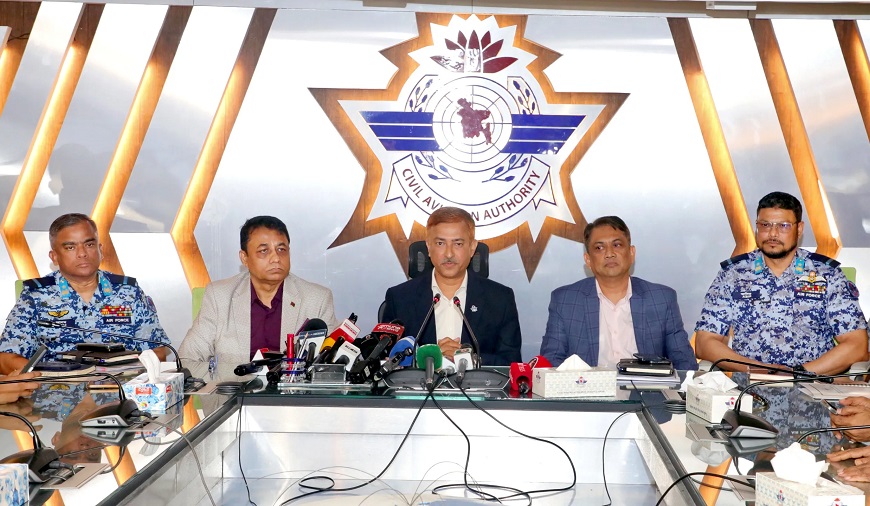
CAAB Chairman Air Vice Marshal Md Mostafa Mahmood Siddiq announced the agreement at a media briefing at the authority’s headquarters in Dhaka on August 13.
He said the additional passenger services would help meet growing demand on the Bangladesh-Saudi Arabia route, particularly during the Hajj and Umrah seasons when airlines often face capacity constraints.
The increased capacity is also expected to benefit around 4 million Bangladeshis living and working in Saudi Arabia. More flights could provide greater travel flexibility for expatriates and increase competition among airlines, potentially helping to keep airfares competitive.
The agreement also creates opportunities to expand direct services from Chattogram and Sylhet to major Saudi destinations, including Riyadh, Dammam, Madinah and Jeddah. This could reduce the dependence of passengers outside Dhaka on the capital for international travel.
Cargo connectivity is another key feature of the agreement. The 21 weekly cargo flights could facilitate faster transportation of Bangladeshi exports, including ready-made garments, vegetables and fruit, to the Saudi market.
Under the fifth freedom provisions, Bangladeshi airlines will also be able to operate cargo services through Saudi Arabia to approved destinations such as Spain and Germany. CAAB said the arrangement could support Bangladesh’s ambition to develop as a regional aviation and cargo hub.
The agreement further provides airlines with greater operational flexibility through code-sharing, co-terminalisation and aircraft leasing, including wet leases.